Armed Combat and Warfare
Carol R. Ember
Hattie Berke
Jonathan Zhang
October, 14, 2026Abstract
The literature on armed combat and war is vast: this module concentrates on what researchers have found using data from the anthropological record to test theories about how and why armed combat and warfare vary cross-culturally.
Download: PDF | ePUB (ebook)
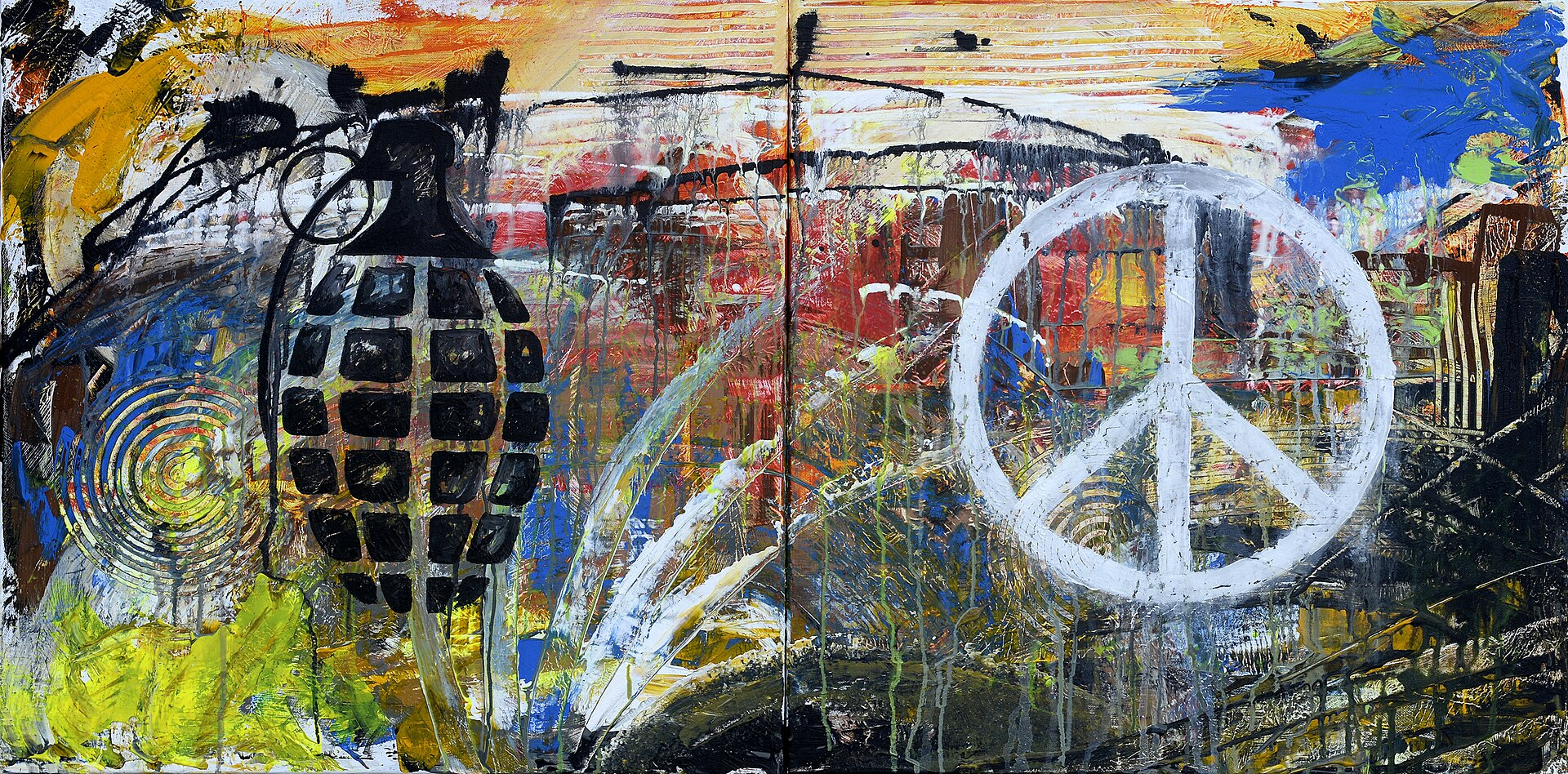
Armed Combat and Warfare
Armed combat, often between socially-organized groups, has been present in much of human history. Scholars have tackled questions such as: How pervasive was armed combat and did its frequency vary in different historical eras? What about the archaeological past when humans were entirely dependent on wild resources? Was armed combat less pervasive now than in the past? Why have some societies been more peaceful than others? Is the frequency of armed combat predicted by factors such as resource stress, upbringing, or societal complexity? The literature on armed combat and war is vast: this module concentrates on what researchers have found using data from the anthropological record1 to test theories about how and why armed combat and warfare vary.
Ideas about warfare have varied considerably over time. From the 1920s to the 1960s, anthropologists tended to downplay the possibility of consequential warfare in smaller-scale societies, believing that people in the past, particularly hunter-gatherers, had little warfare, or when it did occur in food-producing societies, warfare was ritualistic and with few casualties (see discussion in Otterbein 1999; Keeley 1996). As we will see, many scholars have presented evidence that debunks that view, although the idea that smaller-scale societies are largely peaceful persists.
After the 1960s and into the next two decades, scholars began to focus more on theories that might explain the causes and consequences of warfare with two main contrasting perspectives about warfare emerging in this time frame (Otterbein 1999). One theory postulated that war results from innate human aggression (Ardrey and Ardrey 1966; Lorenz 1966). Sipes (1973) refers to this as a drive-discharge model); the other theorized that violence is largely learned (Montagu 1978; Bandura 1980, 146). One of the most important theoretical ideas to emerge at this time was an ecological approach by scholars such as Vayda (1968) and Rappaport (1967). They theorized that when populations exceeded the capacity of their technologies to support them, the likelihood of armed combat designed to take resources from others increased. In their view, warfare may be considered adaptive for a group, not only because resources might be gotten from others, but also because mortality in warfare may lead to less pressure on resources, leaving the social group better supported by its resources. Other scholars putting forth ecological explanations included Gross (1975) and Harris (1984) who suggested that protein limitations in some Amazonian regions may have increased fighting. Many other adaptational approaches to warfare were put forward in broad fields that came to be known as evolutionary anthropology and evolutionary psychology (Glowacki, Wilson, and Wrangham 2020). These broad fields have pursued comparative studies of different species with an emphasis on primates, paleoanthropology, archaeology, comparative ethnography, and the study of international conflicts. As Glowacki and colleagues point out, “Warfare thus presents a puzzle: why did warlike behavior arise in humans but few other species? Warfare requires intensive levels of cooperation while risking death, raising questions about how such behaviors could have evolved…” (Glowacki, Wilson, and Wrangham 2020, 963).
How Definitions of Warfare Affect Conclusions
One of the major challenges in researching armed combat and warfare is that definitions of warfare vary and therefore conclusions, particularly about the prevalence of warfare in the anthropological record, also vary. In some fields, such as political science, the term warfare is not used until armed combat is extensive and the number of casualties reaches a certain threshold. In anthropology, the social units studied are usually much smaller in size and scale than the units that political scientists are looking at, so definitions of warfare need to be scaled down to fit anthropological scales. But to complicate matters further, some researchers distinguish feuding between communities from warfare.The work of Fry (2007) excludes feuding and it leads him to conclude that nomadic hunter-gatherers are generally peaceful and to lack warfare. On the other hand, C. R. Ember and Ember (1992) define warfare in terms of behavior rather than by motivation and they do not exclude feuding to avenge a prior killing if it involves armed combat between communities. The Embers’ definition of warfare is “socially organized armed combat between members of different territorial units (communities or aggregates of communities)”; using this definition, warfare amongst hunter-gatherers is fairly frequent (C. R. Ember and Ember 1997). Different definitions become less troublesome if a researcher’s intent is to explain why armed combat between social groups varies, regardless of the exact definitions.
Another important distinction regarding warfare is whether it is internal or external. In political science, a nation-state or country is usually the unit of analysis and internal warfare is usually called civil war whereas war between nation-states or countries is referred to as inter-state or external war. In the anthropological record, the society (a population that speaks a common language and shares a common culture) is usually the unit of analysis; external warfare is between different societies, and internal warfare is between territorial units within societies.2
Overall Views of Human Warfare
Many scholars who want to understand the human condition ask: Has warfare been a major part of human social life in the anthropological record? And, if so, has it changed over the course of the distant and recent past?
As discussed earlier, the problem with answering the first question hinges on how we define warfare. It also hinges on whether we consider warfare data from societies that have been subject to substantial changes in the recent historical record such as forced removal from aboriginal lands, pacification by colonial governments or nation-states, or decimation from disease as a result of contact with others. Many such societies may have had warfare in the recent past, but no longer engage in it due to many rapid changes in their lives.
Putting human warfare in biological context, humans stand out from other animal species in both the scale and intensity of warfare. Some ant species rival humans in their scale of combat, but human warfare often involves genetically unrelated individuals fighting collectively, whereas in most animal species combatants fighting on the same side are usually genetically related. Among humans' closest relatives, chimpanzees have been sometimes observed engaging in intergroup violence, but attacks usually only take place when the attackers have a clear advantage and mortality of attacking combatants tends to be low (Wrangham 1999; Zefferman and Mathew 2015). Here are some summaries of mortality due to war in human history:
Keeley (1996, 90), summarizing mortality from 8 ethnographic populations and 7 archaeological populations, describes the percentage of deaths for adults from war to range between 7.5-43%; for male deaths the range is between 8% and 58%.
Bowles (2009), summarizing war mortality in 15 archaeological populations and 8 ethnographic populations, calculates an average of 14% war mortality for adults with a high of 46%.
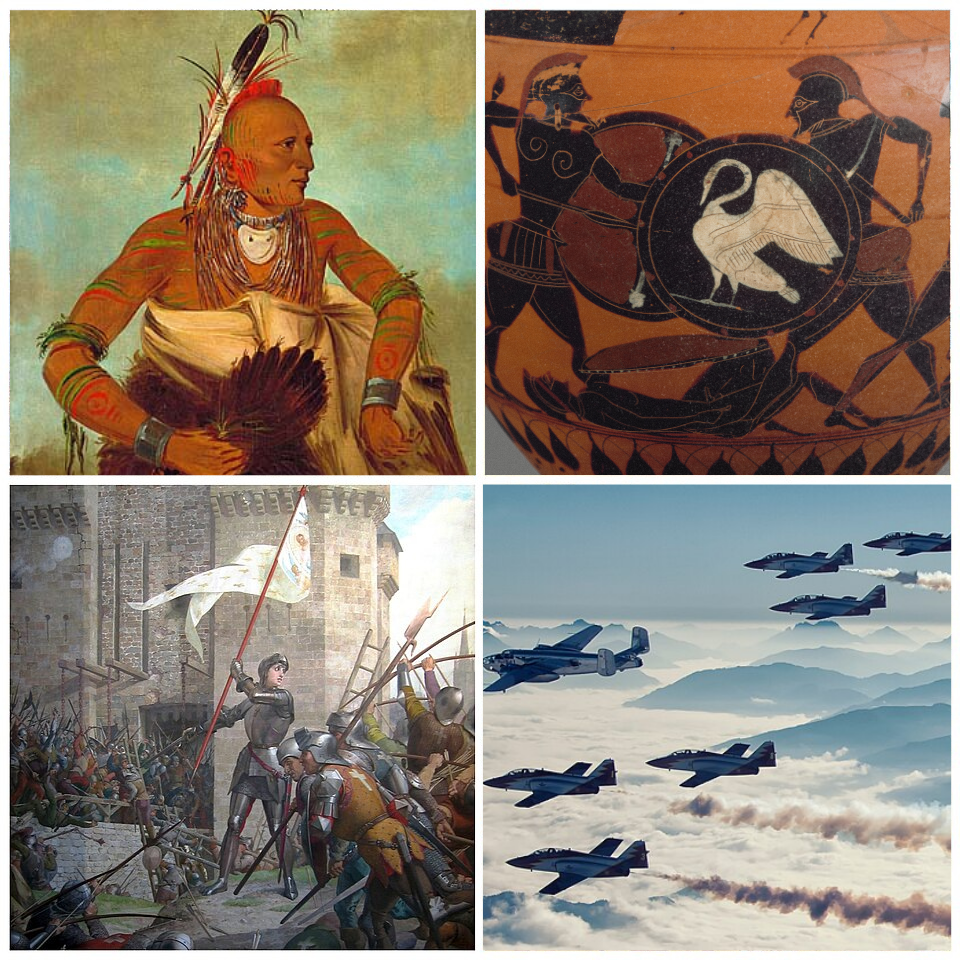
The statistics on war mortality come from a small number of populations, but what can we say about warfare and mortality in the anthropological record more broadly? To answer this question, we point to data from five cross-cultural studies, the first four based on worldwide samples:
Hobhouse, Wheeler, and Ginsberg (1915) report only 4.4% out of 298 societies were without war.
Ross (1983) data (summarized by Keeley 1996, 182–83) reports that of 90 societies, 13% had rare or no warfare.
Otterbein (1989) data (summarized by Keeley 1996, 28) reports that of 50 societies, 10% had infrequent or rare warfare.
C. R. Ember and Ember (1997) report that if societies that were pacified by colonial or other governments are excluded, only about 10% of 90 societies had absent or rare warfare.
Jorgensen, California Indian Library Collections Project, and Driver (1980), summarizing data from 157 native North American societies reports that only 8% had absent or rare warfare.
What can we conclude? We can say based on the broad cross-cultural studies that in the vast majority of societies studied in the recent past, warfare has been generally present in a broad range of human societies. However, these findings do not suggest that warfare is universal or inevitable. Hames (2019) points out that humans are capable of inter-group violence, but they have also created relatively peaceful relationships between groups as well.
What about the longer arc of history and prehistory? The archaeological record is harder to summarize because much of the evidence comes from examination of fossil skeletons and evidence of serious wounding produced by projectile points or clubs. However, it is often hard to determine whether wounds are produced from one individual assaulting another, committing homicide, or as a result of armed combat by a group. More telling, if found, are mass grave sites which may be suggestive of massacres. While we have estimates from some sites with considerable mortality as Keeley and Bowles referred to above, the number of reported sites with male mortality information is not extensive.
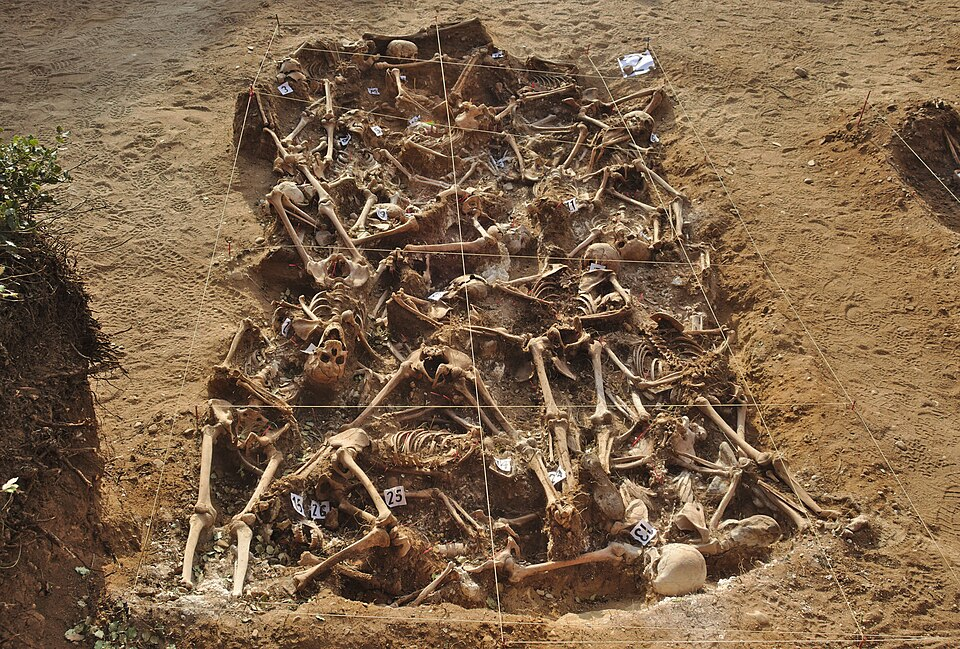
Nonetheless, the evidence increasingly points to the view that from the past to the present, overall rates of armed combat and mortality from war have generally declined. Keeley (1996, 25–39) and Pinker (2011, 52–53), in their respective books, War Before Civilization and The Better Angels of our Nature, have both summarized a large body of material to come to that conclusion. Despite some high mortality wars such as World War I and World War II, the percentage of deaths even in those wars and in recent times since, appears to be much, much lower than in most non-state societies of the recent past and in prehistoric sites. Regardless of these findings, this argument has been criticized on the basis of methodology, sample, and study design (summarized in Basava 2022; Gat 2012; Turchin 2015).
Toward Understanding the Causes of Warfare
If armed combat and warfare has varied in frequency and extent, both across societies and over time, this should naturally lead us to ask what conditions might increase its likelihood or lead to its diminution. In this section, we discuss two main bodies of theory about why people fight: resource scarcity and psychological mechanisms.
Resource Stress
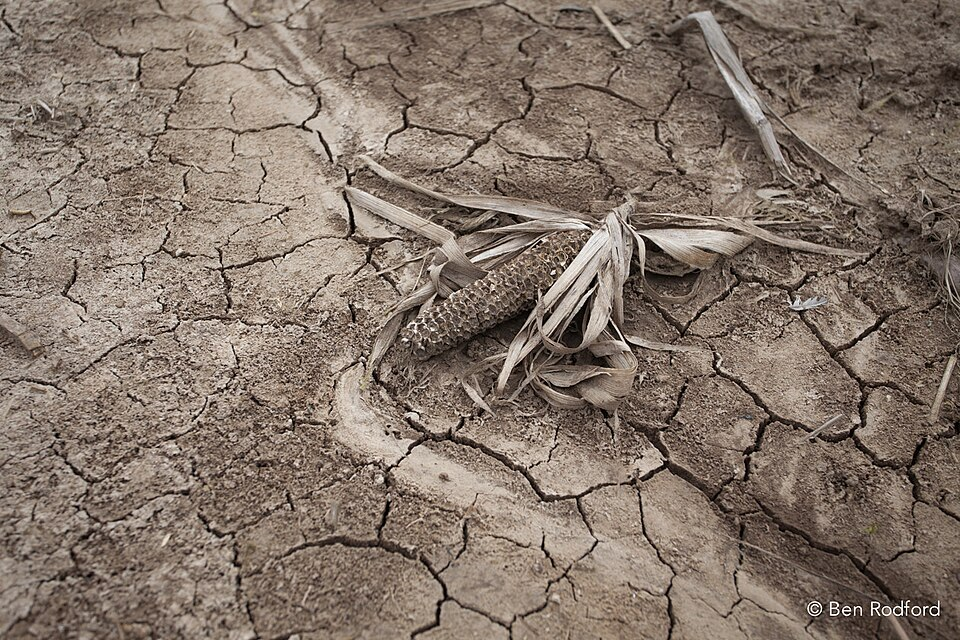
As we discussed earlier, Vayda (1968) and Rappaport (1967) theorized that when populations begin to approach the maximum capacity of their technologies to support them on the land that they occupy (called “carrying capacity”), the likelihood of armed combat would increase as local groups try to take resources from neighbors. One difficulty with trying to test the idea that approaching carrying capacity is an impetus for warfare is how to measure such capacity cross-culturally. One approach taken by C. R. Ember and Ember (1992) is to look for signs that a society regularly or periodically experiences resource scarcity such as chronic annual shortages (“hungry seasons”), severe famines, or natural disasters that seriously destroy or diminish food resources. Here’s a summary of what we know so far:
Resource scarcity predicts more warfare in a worldwide sample of nonpacified societies (M. Ember 1982; C. R. Ember and Ember 1992; C. R. Ember, Adem, and Skoggard 2013)
- Three measures of resource scarcity (chronic hunger, a history of famine, and a history of severe food-destroying disasters) all predict more warfare, but a history of unpredictable severe food-destroying disasters is the strongest predictor. Note that the result is stronger when state societies are omitted.
Why does a history of food-destroying disasters predict warfare better than chronic scarcity? This finding is puzzling, since chronic scarcity is probably a better indicator of resource stress than occasional food-destroying disasters. However, C. Ember and M. Ember found that societies perceiving threats of disaster, but have not had a disaster in a generation, have just as much warfare as societies that have one or more disasters in a generation. This led C. Ember and M. Ember to suggest that it was fear of loss rather than actual loss that may motivate people to take resources. Taking resources from others may be a way to protect themselves against future resource unpredictability.
Consistent with the resource scarcity theory, groups that are victorious usually take moveable resources such as livestock and/or land resources from their opponents (C. R. Ember and Ember 1992; C. R. Ember, Adem, and Skoggard 2013)
Relatedly, unpredictable resource scarcity in nonstate societies predicts more warfare in an eastern African sample (C. R. Ember, Adem, and Skoggard 2013) as well as in an archaeological comparison of the American southwest (Lekson 2002) A different regional comparison of African societies found that adverse weather shocks are more likely to result in conflict (Moscona, Nunn, and Robinson 2017).
While the relationship between unpredictable food-destroying natural disasters and more warfare is found across a broad range of societies (C. R. Ember and Ember 1992), it turns out that if you look narrowly at state-level societies, the relationship is in the opposite direction–that is, food-destroying disasters predict less warfare (Burtsev and Korotayev 2004; Korotayev 2008).
Why? One suggestion is that state societies, often large in size and territory, probably have mechanisms in place to be able to assist groups of people affected by a disaster in one area with resources from a region not affected or from existing food stores, minimizing the need to take resources from other societies (C. R. Ember and Ember 1992; Burtsev and Korotayev 2004). Second, state societies almost always have more complex military infrastructures, including standing armies that necessitate a costly amount of resources to engage in military action. In nonstate societies without substantial infrastructure to redistribute resources, there is little choice but to try to garner resources from others (Burtsev and Korotayev 2004; Korotayev 2008).
Higher population density, when analyzed in the context of a particular type of subsistence, predicts more warfare. More specifically Nolan (2003) finds that higher density predicts more warfare amongst hunter-gathering societies and separately amongst agrarian societies but not for horticultural societies.
- M. Ember (1982), analyzing data from societies in New Guinea, with relatively similar subsistence strategies, finds that the higher the population density, the more likely they engage in fighting to take land from others.
Why? While population density might seem like an appropriate measure of population pressure on resources, density is heavily tied to technology; for example, societies dependent almost entirely on agriculture can support many more people per unit of land than hunter-gatherers. Scholars who use population density as a measure of population pressure therefore need to control subsistence type (M. Ember 1982; Nolan 2003). If one controls for technology, higher population density presumably increases the likelihood of resource shortage in both land and food.
Relatedly, network-oriented polities, which are more common in societies experiencing unpredictable natural disasters, are associated with a higher likelihood of warfare (Peregrine and Ember 2016). A network polity is defined by leaders following a network strategy who “attempt to build a power base by controlling access to networks of exchange and alliance both within and outside the polity” (Peregrine and Ember 2016, 259).
Psychological Mechanisms
As noted earlier, scholars have had different opinions about psychological underpinnings of warfare: some believe that war is part of human nature and therefore an innate drive (Lorenz 1963; Ardrey and Ardrey 1966); others that it is largely learned (Montagu 1976, 3–4; Bandura 1980, 146). On the face of it, the innate drive theory would seem insufficient in explaining cross-cultural variation in warfare frequency as well as variation in war over time in the same society. However, a variant of this theory, the drive discharge model (Sipes 1973), does suggest that the natural propensity for exhibiting aggression can be moderated by providing cultural outlets, such as aggressive sports. For instance, if aggression can be expressed in a game, then other forms of aggression will decrease. The theory that warfare is largely learned explains cross-cultural variation by pointing to explicit differences in developmental experiences including child-training and broader societal experiences in childhood, adolescence, and adulthood. Cultural norms and ideals, such as norms that glorify warriors or encourage retribution, are an important part of these social experiences.
Innate vs Learned Aggression
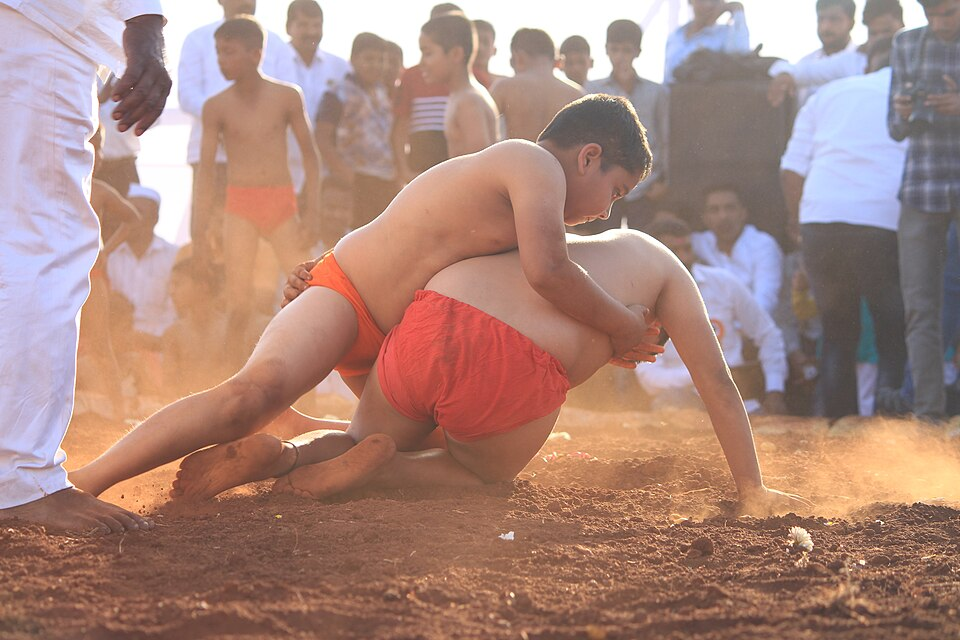
With regard to the contrasting theories that war is innate versus learned, the evidence is more consistent with learning theory:
The presence of combative sports does not predict less warfare (Sipes 1973); this is inconsistent with the drive discharge model.
Rather, societies with more war are more likely to have combative sports (Sipes 1973); in a later study by Chick, Loy, and Miracle (1997), the results, although weaker, were in the same direction, particularly for the presence of sham combats in association with war.
- Other associated forms of aggression related to war are malevolent magic and aggressive punishment for crime (Sipes and Robertson 1975), wife beating (Erchak and Rosenfeld 1994), individual homicide/assault and socially organized homicide (C. R. Ember and Ember 1994). See also Russell (1972) who found war variables and personal crime and theft related.
What do these associated patterns suggest? Sipes (1973) calls the set of associations a “culture pattern model” or what others refer to as a “culture of violence.” If so, growing up in such cultures could very well lead individuals to believe that violence is acceptable and therefore it is more likely to be learned and exhibited.
Socialization for aggression in boys is associated with more warfare (M. Ember and Ember 1988).
What is the mechanism? Children who are socialized for aggression—whether through direct training, harsh and aggressive discipline, or exposure to interpersonal violence as part of a culture of violence explored above—are likely to develop heightened aggression levels that can be generalized into their willingness to engage in warfare (M. Ember and Ember 1988; C. R. Ember and Ember 1994). Note that while this finding is consistent with the theory that warfare is learned, we note in the Consequences of Warfare section below that the evidence suggests socialization of aggression is more likely a consequence than a cause of warfare.
Another prominent theory is frustration-aggression theory (see discussion in Berkowitz 1989) that postulates the exhibition of aggression is a result of frustration; the implication is that societies with more frustrating experiences will likely have more war as a result. Looking at harsh and punitive socialization, different researchers have obtained different results.
Russell (1972) found that more punitive childrearing predicted a higher score on a composite warfare measure and Ross (1986) found that harsh socialization predicted both more internal violence and conflict as well as more external violence and conflict, consistent with the theory, but C. R. Ember and Ember (1992), looking at overall warfare and harsh socialization, found no consistent relationships.
Yet, interestingly, evidence also suggests that sexual-specific frustrations are not likely to be associated with the frequency of warfare (M. Ember and Ember 1988).
Another aspect of childhood frustration occurs when children receive little warmth and affection, or more broadly low need-satisfaction (Ross 1986).
- Affectionate socialization predicts less internal as well as less external conflict (Ross 1985, 1986) and C. R. Ember and Ember (1992), using 13 variables reflecting low need-satisfaction, found that many of these variables predict less overall warfare, the strongest being socialization for mistrust.
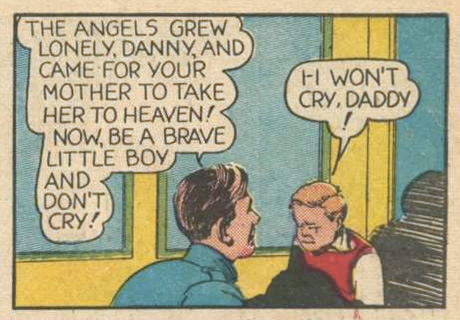
Extreme forms of stereotypical male behavior (Chick and Loy 2001), sometimes called “protest masculinity” (or “compensatory masculinity” or “hypermasculinity”) involve a number of physically aggressive behaviors (Broude 1990). Protest masculinity theory suggests that boys with low father presence may exhibit more aggression to bolster their masculine image (B. B. Whiting 1965; J. W. M. Whiting and Whiting 1975; C. R. Ember and Ember 2007). A variety of different psychological theories have been put forward to explain the development of protest masculinity, but most of them relate to the relative absence of fathers in young boys’ lives and child rearing as a causal factor. Looking at overall warfare frequency, C. Ember and M. Ember (1992, 1994) do not find support for a connection, but Ross (1985, 1986), who looked at internal and external conflict separately, finds that the indicators of male identity conflict do predict external conflict, but not internal conflict. Hypermasculine behaviors have also been found to be positively associated with several variables of aggression (Chick and Loy 2001).
Reward & Retribution
Cultural norms around rewards and retribution may further amplify the psychological tendencies explored above, encouraging participation in warfare. These norms often intertwine with punitive or religious beliefs, creating a culture of honor in which conflict is justified or morally sanctioned as a means of enforcing discipline, justice, or punitive expectations. Illustrating this idea, Cao et al. (2021) found that societies with high functioning morality are more likely to seek retaliation against those who wronged them leading to frequent and potentially escalating conflicts. Additionally, increases in the salience of conflict over time are associated with stronger belief in a punitive god (Caluori et al. 2020). More broadly, a higher frequency of warfare is associated with higher cultural tightness, which includes not only strong norms, but also severe punishment for norm violations (Jackson, Gelfand, and Ember 2020). Although Jackson and colleagues postulated that more warfare increases the likelihood of cultural tightness, interest in severe punishment of others could create a cycle of escalation, where there is greater interest in punishing others outside the in-group as well.
Glowacki and Wrangham (2013) theorized that the rewards and benefits obtained in warfare likely contribute to the morality associated with warfare. Relationships between honor culture and intergroup conflict are mediated through social rewards (status, honor). Honor cultures promote rewarding warriors, which in turn provides incentives for participation in warfare and increases intergroup conflict (Nawata 2019). The establishment of reward systems has contributed to the development of cultural practices like headhunting and revenge killing in becoming cultural norms (Nawata 2019). Together, these honor-based motivations and moral frameworks interact in ways that may create conditions in which warfare is more likely to be initiated, sustained, and normalized.
Possible Consequences of Warfare
Regardless of how and why it occurs, warfare appears to have broad effects on the individuals and on the structure and culture of affected societies. Exposure to prolonged violence, displacement, and uncertainty often results in increases in stress, trauma-related symptoms (Panter-Brick et al. 2015), mistrust toward out-groups, and reliance on rigid moral or ideological frameworks (Watson 1973). Cross-cultural researchers usually do not study individuals as units of analysis, instead they assess general cultural patterns such as mistrust toward out-groups and evaluate whether the pattern is associated with high war frequencies. Cross-cultural studies have largely concentrated on how societies may have adapted to warfare conditions by altering their social structures, economies, and their child-rearing strategies to try to foster and encourage the development of effective warriors. Many societies take active steps to bolster adolescent and adult warriors through a system of rewards and punishments.
Patterns of Socialization
As noted earlier, learning theory suggests that children, particularly boys, may be socialized to exhibit and value aggression of all kinds, including their anticipated participation in warfare. Supportive evidence is an association between socialization for aggression in boys and more frequent war (C. R. Ember and Ember 1994). But learning theory begs the question: why should caretakers promote aggression in the first place? As we shall see, some results suggest that the relationship is more likely due to the reverse causation—that is, socialization for aggression is a consequence, not a cause of warfare.
There are three main pieces of supportive evidence that socialization for aggression is a consequence of warfare (C. R. Ember and Ember 1994)
Societies that are pacified (that is, have been forced to stop fighting by more powerful forces such as colonial governments) have lower scores on socialization for aggression than nonpacified societies.
Societies pacified before their time of ethnographic description have lower scores on socialization for aggression than societies pacified after their time of description.
When pacified societies are included in evaluating the relationship between socialization for aggression and warfare, the results are much stronger than when they are omitted.
What are the implications of this result? If socialization for aggression is promoted because parents and others perceive the need to create more effective warriors, it is possible that socialization for aggression may be an important main catalyst for other forms of aggression. For instance, war is a predictor of homicide and assault cross-culturally (C. R. Ember and Ember 1994) and Archer and Gartner (Archer and Gartner 1984, 63–97) compared homicide rates before and after wars and found that, regardless of whether a nation won or lost a war, homicide rates tend to go up afterwards. Chick and Loy (2001) point out that in societies where children are exposed to frequent warfare activities, early constructions of masculinity and ideology may orient boys toward valuing toughness and dominance. This orientation may influence their participation in combative sports that reinforce these war-like dispositions.
Additional evidence that socialization may be a consequence of warfare include:
Engagement in sham combat is associated with more warfare (Chick, Loy, and Miracle 1997).
Why? At first glance this may be interpreted as supporting learning theory in that training for aggression promotes warfare, as originally proposed by Sipes (1973). Chick, Loy, and Miracle (1997) point to ethnographer comments that sham combat appears to be explicitly linked to training for combat; many observed cases between fathers and sons appear to have the express purpose of imparting the skills of the former to the latter. If the training is explicitly referred to as combat training, this suggests that engagement in sham combat is a consequence of warfare rather than an independent cause.
The presence of warfare in conjunction with certain child-rearing customs or settings (such as the combination of exclusive mother-child sleeping early in life and a long post-partum sex taboo) predicts male initiation ceremonies more strongly than the child-rearing customs alone (C. R. Ember and Ember 2010). Relatedly, male initiation rites involving more trauma and pain are related to higher overall warfare frequency and more external warfare (Sosis, Kress, and Boster 2007).
Why? Male initiation ceremonies, which have the described purpose of making “men out of boys,” have been argued by M. Ember (see C. R. Ember and Ember 2010) to have similar properties to basic army training in modern societies with tests of endurance, separation from home and family, and symbolic markers of status changes. But not all societies have such ceremonies. Research supports the theory (J. W. M. Whiting, Kluckhohn, and Anthony 1958; Burton and Whiting 1961) that in societies with low father salience, measured by customs such as exclusive mother-child sleeping and a long post-partum sex taboo, boys may develop psychological conflicts such as sex-role identification. To help boys resolve this conflict and reinforce masculine identity, societies engaged in warfare may invent or borrow the idea for initiation ceremonies to reinforce qualities perceived to be necessary for an effective warrior (C. R. Ember and Ember 2010).
Harsh male initiation rituals are also proposed as a custom that may support warfare, improving the effectiveness of a fighting unit by reinforcing male solidarity (C. R. Ember and Ember 2010; Irons 2001; Schlegel and Barry 2017; Sosis, Kress, and Boster 2007; Wilson 2008). Males who endure such rituals show their commitment to a group of fighters, thus minimizing what is referred to as “free-riding” (Sosis, Kress, and Boster 2007).
Marriage, Residence, and Kinship
A society’s involvement in war may affect many aspects of social organization. In this section we discuss marriage, residence, and kinship practices through the lens of warfare. For a refresher on marriage and family practices as well as residence and kinship, please see our Marriage and Family and Residence and Kinship topical summaries.
Marriage
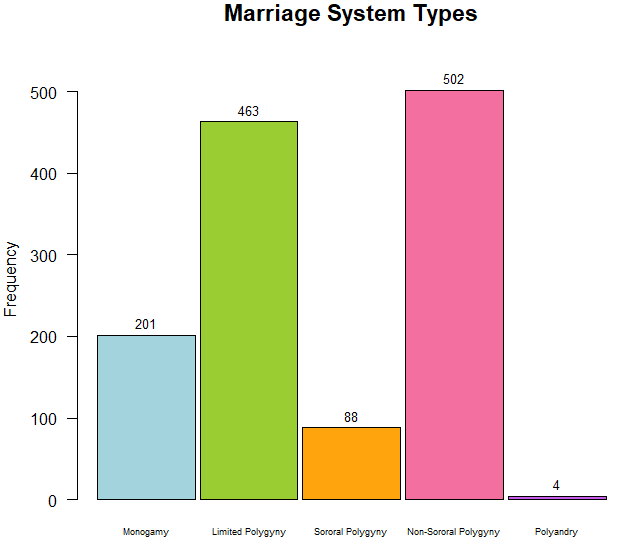
Societies around the world have different types of marriage systems but the vast majority in the anthropological record, as shown in Figure 8, allow polygyny, meaning that one man can marry multiple women. Sororal polygyny occurs when one man marries a set of sisters. The rarest type of marriage is polyandry where one woman marries multiple men, often brothers.
In what ways might warfare influence marriage?
High male mortality in warfare is strongly associated with polygyny, particularly when polygyny customarily involves marrying unrelated women (M. Ember 1974, 1984; M. Ember, Ember, and Low 2007) and in societies lacking state-level organization (M. Ember, Ember, and Low 2007). Relatedly, an unbalanced sex-ratio favoring women, also predicts polygyny (M. Ember 1974).
Why? Herbert Spencer (1876; referred to in Spencer and Carneiro 1967; M. Ember 1974) theorized that high male mortality in war favors the custom of polygyny, in which men have more than one wife, allowing societies with high male mortality to maximize their reproduction. Societies that insisted on monogamy would have a reproductive disadvantage if many women remained unmarried. Although unmarried women can have children, their rate of reproduction is not likely to be as high as for women who are married.
Marriage of female war captives predicts polygyny (White and Burton 1988).
Why? In many cultures, economic transactions such as bride price are often required for marriage. If women are captured during successful warfare, this could make polygyny more feasible for younger or newer warriors whose families do not have to come up with bride price payments. In addition, if plunder is also practiced, men would have more resources for paying economic transactions often required for marriage at a later time (White and Burton 1988).
Societies engaged in war that “marry their enemies” tend to have beliefs that men’s sex with women is harmful (C. R. Ember 1978). More broadly, such beliefs are likely to be associated with marital tension and aloofness.
Why? Based on fieldwork in the New Guinea highlands, Mervyn Meggitt (1964) suggested that “marrying enemies” may be linked to the association between "femininity, sexuality, and peril". C. Ember (1978) tested and found support for this linkage cross-culturally, but noted that Meggitt did not specifically suggest that “marrying enemies” was the causal factor. However, C. Ember suggested that marrying enemies may be responsible for men sleeping apart from their wives (and remaining aloof from them in other ways), setting up psychological conflicts about male-female relationships.
A different interpretation is offered to explain the link between polygyny and warfare.
In examining present-day countries, Koos and Neupert-Wentz (2019) find that warfare is more likely if its neighbors have been traditionally polygynous.
Why? They surmise that when wealthy men have many wives, other men may not be able to successfully marry, and such men may be more prone to violence. However, this theory assumes that societies without wealth inequality cannot support polygyny. To the contrary, oftentimes, especially when women do most of the subsistence work, polygyny itself can create wealth. In addition, many conditions may have changed from traditional times to recent times, including the emergence of money economies and inequality. Pacification attempts by governments may decrease male mortality in warfare and as a result, sex ratios lack the imbalance seen in non-pacified times.
Residence
There are two aspects of residence to consider here. The first aspect is where married couples customarily live after marriage and whether this residence pattern is influenced by, or related to warfare. In the vast majority of societies in the anthropological record, married couples live with or near the parents of either the husband (patrilocal residence) or wife (matrilocal residence). As it turns out, these two patterns of marital residence have very different patterns of warfare, specifically, if it is purely external or sometimes internal. The second aspect is how warfare may influence the community structure. Here’s a summary of how warfare relates to and may affect residence patterns:
Matrilocal societies tend to have purely external warfare, whereas patrilocal societies tend to have some internal warfare (M. Ember and Ember 1971; Divale 1974; Divale, Chamberis, and Gangloff 1976; Carter 1977; Adams 1983)
Why? Although this relationship has been found by many scholars, different theories have been offered. One theory (M. Ember and Ember 1971) suggests that residence patterns are largely a consequence of warfare patterns, with gender contributions to subsistence playing a secondary role. If warfare is internal and possibly close to home, parents will want their married sons to stay home after marriage (that is, live patrilocally) to defend their family and communities. On the other hand, if warfare is purely external, sons-in-law would not come from enemy communities and could be counted on to defend the communities they live in, making matrilocality a plausible choice. At this point, parents might then opt to keep their son or daughter at home based on who contributes considerably to subsistence. If women contribute as much or more than men, matrilocality becomes more likely with purely external warfare (evidence on this combination of factors can be found in C. Ember 1974, note 2). Who contributes more to subsistence is likely to be a result of warfare as well; if warriors are away fighting when work has to be done, women will need to take on that work (M. Ember and Ember 1971).
Other scholars believe that the relationship between type of war and residence is the other way around–that is, the type of warfare is a consequence of patrilocal or matrilocal residence. Divale (1974) assumes that patrilocal residence is “normal” on the basis that it is much more common than matrilocal residence. Further, following Otterbein (1968), Divale suggests that when related men are localized and form fraternal interest groups3, they will be prone to feuding with neighboring communities (when feuding involves armed combat, it may be called internal warfare). How does his theory explain matrilocality? Divale suggests that matrilocality occurs as an adaptive response “when a patrilocal society migrates into an already inhabited region” resulting in sudden and severe external warfare (Divale 1974; Divale, Chamberis, and Gangloff 1976, 60). More specifically, he argues that when related men, who are almost always the warriors, move to the communities of their wives, these men will be dispersed and less likely to engage in inter-community or internal warfare. However, this theory does not explain how people, who previously practiced patrilocality, would know that a switch to matrilocality would achieve that goal. For a further comparison of the two opposite causal theories, see C. Ember (1974; also supported by Korotayev 2008). Regardless of the direction of the theoretical causality, it does seem that migrating societies have been militarily successful and a large proportion of matrilocal societies have migrated within 500 years prior to description.
The physical structure of a settlement and even houses themselves may also be influenced by warfare:
Non-pastoralist societies with warfare occurring at least every two years have less permeability, that is, more barriers to cross in order to reach the heart of a residential dwelling.(Peregrine 1993; Peregrine 1994 found weak results in an archaeological sample).
Why? Peregrine (1993) theorizes societies with more warfare erect barriers as a defensive strategy to make it more difficult for attackers to reach households and their inhabitants. Structures like defensive palisades, courtyards, cul-de-sacs, and other enclosures might aid in both household embeddedness and inaccessibility (Peregrine 1993). Such structures, Peregrine argues, can be used to infer the presence of fairly frequent warfare in the archaeological record.
Kinship
In about half the societies in the anthropological record, there is no political organization beyond the community. So what do people do if they need to defend themselves but lack the political organization to support an armed force? Anthropologists suggest that kin networks may provide bonds that can be relied upon during times of conflict. Keep in mind that networks of strong kin bonds may be partly enhanced by rules of marital residence that over time will lead to related people living with or near each other. So, for example, if a society is patrilocal and practices community exogamy, related males will live near each other (their spouses will generally be unrelated or from other communities). . Many societies with unilocal residence (most commonly patrilocal or matrilocal residence) have unilineal descent. As explained in the Residence and Kinship topical summary a unilineal descent principle affiliates all individuals who derive from a known or presumed ancestor (through one’s mother for matrilineal descent; through one’s father for patrilineal descent). What impact does warfare have on kinship across societies?
The presence of warfare in a nonstate society increases the likelihood of a society with unilocal residence having unilineal descent from 72% to 91% (C. R. Ember, Ember, and Pasternak 1974; see also Worchel 1974).
Why? While unilineal groups might serve many functions, the need for clear and unambiguous membership in a group may be particularly important when it comes to who will help with offense and defense. Building on suggestions from Service (1962, 11) and Sahlins (1961), C. R. Ember, Ember, and Pasternak (1974) suggest that competition and the need for dependable allies in non-state societies may be the main catalyst pushing a unilocal society to develop a unilineal descent system.
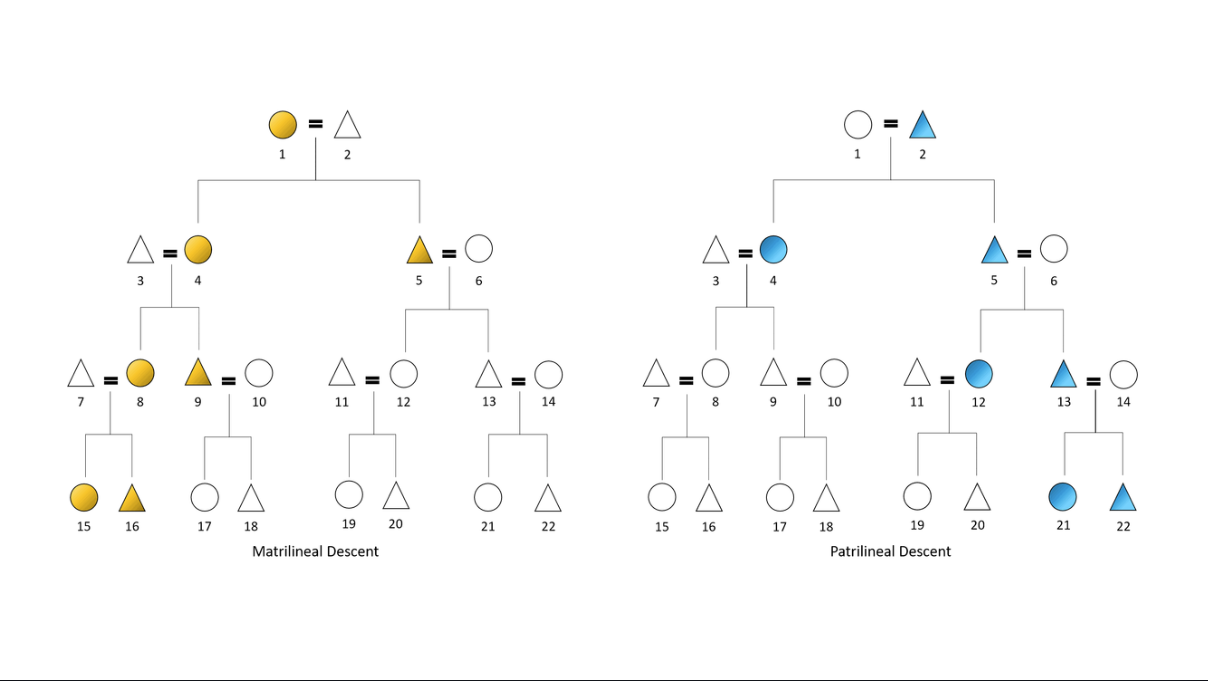
When warfare is internal, the core members of unilineal kin groups are likely to live more-or-less contiguously; when purely external, the core members are likely to be dispersed (C. R. Ember, Ember, and Pasternak 1974)
Why? Internal warfare is likely to be closer to home and defenders may need to be mobilized quickly. Therefore, it would be advantageous to have unilineal kin nearby (C. R. Ember, Ember, and Pasternak 1974)
When warfare is internal, lineages (kin groups where descent can be explicitly traced back to a particular ancestor) are more likely to be present; when purely external, lineages are likely to be absent (descent links from a common ancestor are assumed, but not traced). (C. R. Ember, Ember, and Pasternak 1974)
Although warfare appears to favor unilineal descent, societies with unilineal descent vary considerably in the range, size, and extent of kin groups. Some societies just recognize one level of kin group; others recognize many kinship levels incorporating more and more people. Segmentary lineage systems, such as among the Tiv of Nigeria, trace ancestry back further and further into a series of lineages, the largest about 14 to 18 generations back encompassing all Tiv (Bohannan 1998) Potentially, in a conflict between the Tiv and other societies, all Tiv may be called upon for assistance. But conflict also occurs between smaller lineage segments, in which case more closely related individuals are called upon for help.
- In a regional comparison of African societies, those with segmentary lineage systems are associated with greater probability of intense conflicts that last longer, and are less likely to end (Moscona, Nunn, and Robinson 2017).
Other Associations
In addition to reviewing the possible causes and consequences of warfare, this summary also outlines the relationships between warfare and gender status and roles, societal complexity, democracy, as well as peacemaking.
Gender Status and Roles
What are the relationships between warfare and gender roles and status? Does warfare detract from women’s status and importance? Why are women rarely warriors? And when women do participate in combat, what kind of societies allow them to do so?
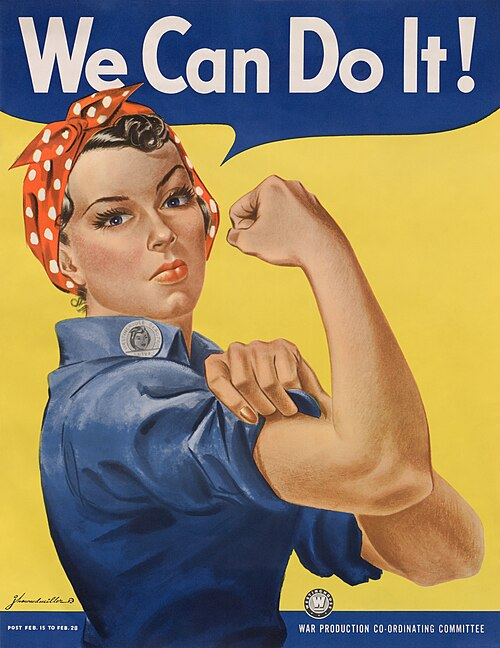
Despite the fact that during war, men’s bravery in combat is often honored, cross-cultural evidence does not support the idea that women’s status in society is lower with more frequent warfare. Examining many domains of status, Whyte (1978) finds that most of the correlations are in the opposite direction, the strongest being that women have more domestic authority in societies with frequent warfare. In addition, when war is frequent, women have more ritualized solidarity and their lives are valued more than those with infrequent warfare. One possible reason is that during war, women often take on tasks generally performed by men. For example, during World War II in the United States, women’s participation in the work force increased dramatically as 16 million men were mobilized to serve in the armed forces (Acemoglu, Autor, and Lyle 2004).
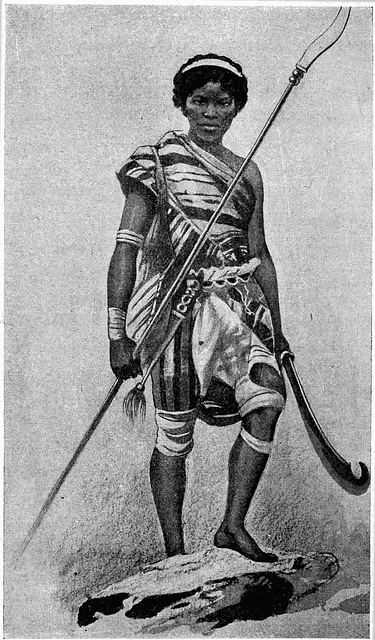
Warfare is commonly a highly gendered activity favoring men. Despite some known exceptions, Erickson (2003, 10–22) estimates that women warriors amount to less than 1% of all warriors in human history. Nonetheless, we do find that some societies allow women to participate in warfare. What explains why in some societies women take part in warfare or act as warriors?
As discussed in the Gender module, two factors–the presence of internal warfare or marriage with other communities (exogamy)–predict that women will have little or no participation in warfare (Adams 1983).
Why? Adams (1983) suggests that internal warfare and exogamy may set up a conflict of loyalties for a woman between the family she has married into and her family of birth. This means that in patrilocal societies, not only is the in-marrying wife often from a different community than her husband, but also that the community she has married into might have been or will be engaged in warfare against her natal community. In these circumstances, patrilocal societies are likely to forbid a woman from participating in war, handling of weapons, or even from listening in on war plans. In contrast, neither purely external warfare nor marriage within the same community would pose a conflict of loyalty for either women or men. In Adams’ (1983) sample, in every case where women are sometimes warriors (Comanche, Crow, Delaware, Fox, Gros Ventre, Maori, Majuro, Navajo, and Orokaiva) there is either exclusive external war or endogamy (marriage within a group).
Societal Complexity
The role warfare and armed combat may play in shaping social complexity, or vice versa, has been long debated by researchers and a general relationship between the two is not clearly supported. Some scholars have suggested that warfare has been a catalyst for the formation of states. For instance, one of the most widely cited and debated theories about the origin of states was put forward by Carneiro (1970, 2012) who postulated that population pressure (and its resultant warfare) coupled with environmental circumscription likely led to the formation of chiefdoms and ultimately states. Some research, albeit on smaller scale societies, suggests the opposite causality. For example, in a sample of smaller-scale Western North American societies, complexity seems to predict more warfare, as opposed to warfare leading to complexity (Hamilton, Walker, and Buchanan 2024). Building on this, Turchin et al. (2022) suggested that in the Afro-Eurasian region a combination of increasing agricultural productivity with high intensity warfare involving iron weaponry and horse cavalry may have led to the formation of very large complex states with hundreds of millions of people.
Based on the findings presented, it is uncertain whether warfare and social complexity have a causal relationship in either direction but it may be that exposure to militarily sophisticated societies via inter-societal informational and competitive interactions creates an “arm race” leading to increased advancement and technological adoptions.
That being said, there are several cross-cultural relationships between societal complexity and warfare that are commonly agreed upon by researchers. Broadly, these relate to warfare technology, degree of professional organization, and the reasons given for undertaking warfare.
Societies with more political centralization will have more military sophistication (such as military professionals, body armor, shock weapons, fortifications, diplomatic negotiation - (Otterbein 1970, 74)); while Otterbein’s finding predicts military sophistication in the anthropological record generally, Turchin et al. (2021), analyzing state-level factors specifically, does not find support from this relationship.
Societies with more political centralization are more likely to wage war for subjugation or control (Otterbein 1970, 69; Zinkina, Korotayev, and Andreev 2016)
While more “sophisticated” military technology may be associated with higher societal complexity, there is no clear evidence that more complex societies have more warfare generally (Naroll, Bullough, and Naroll 1974) or will be more militarily successful (Otterbein 1970, 97). Additionally, no relationship between rates of lethal aggression and political organization or sociopolitical complexity was found in a sample of prehistoric hunter-gatherers in central California (Allen et al. 2016). This lack of a clear relationship between warfare and complexity may appear inconsistent with the view by Keeley (1996) and Pinker (2011) that warfare has generally decreased over time with larger states and nuclear weapons of today acting as pacifying forces. However, Keeley and Pinker are largely considering more recent state warfare; earlier states may have had more intensive warfare.
Type of subsistence is somewhat related to complexity. For instance, hunter-gatherers rarely have high levels of political hierarchy. And state societies rarely lack intensive agriculture although many intensive agricultural societies lack states. However, some aspects of subsistence may influence how a society participates in warfare (C. R. Ember and Ember 1997; Nolan 2003; Turchin 2015; Hames 2019; Cao et al. 2021).
While nonpacified hunter-gatherers generally have warfare, they do have significantly less warfare than societies with other subsistence types (C. R. Ember and Ember 1997).
If simple horticulture is distinguished from advanced horticulture (those that have metal tools and weapons), hunter-gatherers and simple horticulturalists have less warfare than advanced horticulturalists and agriculturalists with permanent field cultivation and plowing (Nolan 2003).
Horticulturalists have higher adult mortality from violence than do hunter-gatherers (Hames 2019).
Dependence on herding, in the recent past or ancestrally, predicts themes of violence as well as higher frequency and severity of armed conflicts. The authors point to an emphasis on honor and revenge taking in herding cultures (Cao et al. 2021).
Turchin (2015) finds that warfare is most intense among prestate agricultural societies.
Relating to the commission of atrocities during warfare, C. R. Ember, Adem and Skoggard (2013) find in an eastern African comparison, that state societies are more likely to commit atrocities than nonstate societies. Whether this holds worldwide is yet unknown.
Why? They theorize that kin networks of assistance during times of resource stress are what keeps rates of atrocities in small scale societies at a lower rate. State societies, with their standing armies, lack a dependent relationship with neighboring societies allowing their armies to commit atrocities and take resources at a much higher rate.
Democracy
One of the most robust findings in the field of international relations is that “democracies do not fight each other.” Numerous studies carried out in the 1980s, 1990s, and early 2000s using data from countries, supports this empirical proposition (for a review, see Imai and Lo 2021). To be clear, this finding does not imply that democratic countries are more peaceful than autocratic countries; this finding is specifically about country dyads–that is, whether a pair of countries is likely to fight each other or not.
While many believe that democracy itself may be a causal factor in the limiting of war with other democracies, some critics suggest that the causal inference about democracy may be confounded with other factors that may have more causal influence, such as capitalism, contract-intensive economies, and common alliances dating from the Cold War (Imai and Lo 2021). Thus, the distribution of democracy in the cross-national and historical record is heavily confounded with other variables associated with democracy, leaving us without a picture of the specific sociocultural elements that may be precursors and bulwarks for the development of broad participation in decision making.
To protect against confounding by these contemporary variables, C. R. Ember, Ember, and Russett (1992) tested the democracy proposition using data from the anthropological record. To do such a test, the concepts of democracy and also international war had to be transformed.4 Their revised tested hypothesis was that societies with a culture of widespread adult political participation will fight less with other communities (that is, have less internal war than societies with little adult participation). Their results supported the idea that democracies do not fight each other. Later research by C. R. Ember et al. (2018) also found support for the democratic dyadic peace hypothesis in a 40-culture regional comparison in the eastern African region (see also Wig and Kromrey 2018 for support in a different African sample). C. R. Ember et al. (2018) also found that societies with more participatory polities were less likely to commit atrocities on combatants and noncombatants when they engaged in internal warfare.
Peacemaking
There is relatively little cross-cultural research using data from the anthropological record on peacemaking. Peacemaking refers not to the absence of war, but to the process by which parties engaged in war or considering war between groups try to obtain peace. Here are a few predictors:
Negotiation for peace by mediation, arbitration, or negotiation, is more likely when the motives for war are not political or economic, that is, the society is not attempting subjugation, tribute, land or plunder (Tefft and Reinhardt 1974).
Why? If material resources are desired, it is more difficult to find a peaceful resolution when one side faces an existential threat. However, if the reasons are symbolic, negotiated substitutions may be possible (for example, a wealth gift instead of killing for revenge).
Peacemaking is more likely when warfare is internal, rather than external (Tefft and Reinhardt 1974; replicated by Divale, Chamberis, and Gangloff 1976).
Why? Societies that fight internally generally share the same culture and values and therefore might be more likely to be successful at negotiation. (Note: see the section on Democracy that suggests that it may be the shared political culture of greater political participation that may be critical here.)
Peacemaking is more likely in patrilocal societies rather than in matrilocal societies (Divale, Chamberis, and Gangloff 1976).
Why? The relationship between patrilocality and peacemaking could be largely due to the fact that patrilocal societies almost always have internal warfare (see Residence Section) and therefore share the same culture. Divale, Chambers and Gangloff suggest another reason for this relationship. Many matrilocal societies have migrated from other locations with warfare more directly related to survival for both sides, thus making peacemaking less likely.
Peace as a Goal
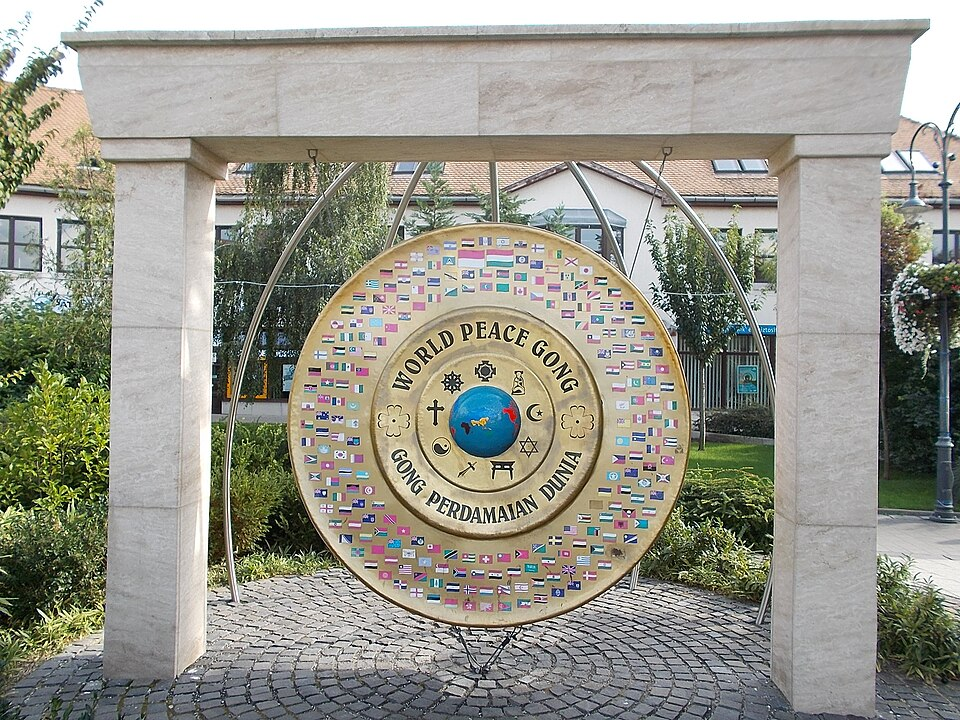
Most social scientists who study warfare are interested in peace; presumably, if we can understand the conditions that predict higher frequency of war, we can then minimize these conditions and help promote peace. Glowacki (2024), for example, would argue that peace depends not only on avoiding violence but on maintaining harmonious relationships that are not enforced through coercion or fear. However, how to bring about such change is far from straightforward. Scholars and policy makers have participated in discussions about how to create a “culture of peace.” This construct (alternatively peace culture) was formulated at the International Congress on Peace in the Minds of Men, held in Côte d’Ivoire in 1989. The concept later became associated with the United Nations and the UN designated the decade 2001-2010 as the International Decade for a Culture of Peace and Non-Violence for the Children of the World (UNESCO-mainstreaming: the culture of peace).
History gives us hope that change is possible. These answers will potentially help shape our understanding of human nature and help to understand and end ongoing and future conflicts.
What Don’t We Know
While we know that warfare predicts socialization for aggression in boys, it would be important to know to what degree socialization explicitly emphasizes the warrior role.
Are warriors given special status, prestige, or privileges? If so, what kind of privileges? Does it vary with degree or intensity of involvement in war?
Psychologists have studied the traumatic effects of war on individuals, but we know little about whether cultural consequences exist as well.
Aside from possible effects of male mortality on forms of marriage, we know little about how male mortality in warfare may affect other aspects of culture.
The peacemaking process has yet to be fully understood and needs to be studied when it has been most successful.
To what degree does types of religious ideology play in understanding variation in warfare?
Glossary
- Bride Price
-
A substantial transfer of goods or money from the groom’s kin to the bride’s kin before, during, or after the marriage.
- Carrying Capacity
-
The maximum capacity of a society’s technologies to support itself on the land that it occupies.
- Endogamy
-
The rule that requires marriage to a person within one’s own group (kin, caste, community).
- Exogamy
-
The rule that specifies marriage to a person from outside one’s own group (kin, caste, or community).
- External Warfare
-
Warfare between two or more societies.
- Feuding
-
Revenge killings following a murder, usually undertaken and organized by a group of kin.
- Internal Warfare
-
Warfare between territorial groups within society.
- Matrilocal Residence
-
A pattern of marital residence in which couples typically live with or near the wife’s parents.
- Monogamy
-
A type of marriage limited to only one spouse at any given time.
- Pacification
-
The elimination of war brought about an external power, such as a colonial power or a nation-state.
- Patrilocal Residence
-
The pattern of marital residence in which couples typically live with or near the husband’s parents.
- Polygyny
-
Two or more women are married to one man at the same time.
- Unilineal Descent
-
A cultural rule stipulating that membership in a kin group is assigned at birth through descent links of one parent (either mother or father). Matrilineal descent groups are formed by links through mothers; patrilineal descent groups are formed by links through fathers.
- Unilocal Residence
-
A marital residence pattern specifying one set of relatives that the couple lives with or near (patrilocal, matrilocal, or avunculocal).
- Warfare
-
The definition used in this module is: socially organized armed combat between members of different territorial units (communities or aggregates of communities). Note that different researchers have different definitions.
Exercises Using eHRAF World Cultures
Explore some texts and do some comparisons using the eHRAF World Cultures database. These exercises can be done individually or as part of classroom assignments. See the Armed Combat and Warfare (Explaining Human Culture) Teaching eHRAF exercise for suggestions.
Citation
This summary should be cited as:
Ember, Carol R. Hattie Berke, and Jonathan Zhang. 2026. “Armed Combat and Warfare” in C. R. Ember, ed. Explaining Human Culture. Human Relations Area Files, LINK, accessed [give date].
Photo Credits
Fine Art, War and peace (Honorable Mention). 2014. Paintings by U.S. Air Force Staff Sgt. Jamal D Sutter, Public domain, via Wikimedia Commons (VIRIN: 141202-F-PO994-001). https://commons.wikimedia.org/wiki/File:Fine_Art,_War_and_peace_(Honorable_Mention)_141202-F-PO994-001.jpg
Diverse war scenes and warriors: a collage. Consists of the following:
Osage warrior. 1834. Painting by George Catlin, Public domain, via Wikimedia Commons. https://commons.wikimedia.org/wiki/File:Osage_warrior.jpg
Attic Black-Figure Neck Amphora; Attributed to Group E (Workshop of Exekias) (Greek (Attic), active 560 - 540 B.C.) Artifact housed by the J. Paul Getty Museum, distributed under a CC0 1.0 license. Cropped. https://commons.wikimedia.org/wiki/File:Attic_black-figure_neck_amphora_by_Group_E,_detail_2_-_Getty_Museum_(86.AE.73).jpg
Lenepveu, Jeanne d'Arc au siège d'Orléans. 1886-1890. Painting by Jules Eugène Lenepveu, Public domain, via Wikimedia Commons. https://commons.wikimedia.org/wiki/File:Lenepveu,_Jeanne_d%27Arc_au_si%C3%A8ge_d%27Orl%C3%A9ans.jpg
Patrulla Águila in formation flight with the Flying Bulls. 2016. Photograph by Peng Chen, distributed under a CC BY-SA 2.0 license. https://commons.wikimedia.org/wiki/File:Patrulla_%C3%81guila_in_formation_flight_with_the_Flying_Bulls.jpg


Spanish Civil War - Mass Grave - Estépar, Burgos. 2014. Photograph by Mario Modesto Mata, distributed under a CC BY-SA 4.0 license. https://commons.wikimedia.org/wiki/File:Spanish_Civil_War_-_Mass_grave_-_Est%C3%A9par,_Burgos.jpg
Drought (51345662). 2013. Photograph by Ben Rodford, distributed under a CC BY 3.0 license. https://commons.wikimedia.org/wiki/File:Drought_(51345662).jpeg
Kusti Sport Maharashtra. 2020. Photograph by Nikhilmore Nimo, distributed under a CC BY-SA 4.0 license. https://commons.wikimedia.org/wiki/File:Kusti_Sport_Maharashtra_(1)_01.jpg
I Won’t Cry Daddy. 1939. Comic by Lou Fine for Fox Feature Syndicate, Public domain, via Wikimedia Commons. https://commons.wikimedia.org/wiki/File:I_Won%27t_Cry_Daddy.jpg
Dolgellau Fair (6943686536). 2012. Photograph by Geoff Charles, distributed under a CC0 1.0 license. https://commons.wikimedia.org/wiki/File:Dolgellau_Fair_(6943686536).jpg
Ruined photos left behind by a Muslim family in Shingal (Sinjar) found in a destroyed home after war with the Islamic State. 2019. Photograph by Levi Clancy, distributed under a CC0 1.0 license. https://commons.wikimedia.org/wiki/File:Ruined_photos_left_behind_by_a_Muslim_family_in_Shingal_(Sinjar)_found_in_a_destroyed_home_after_war_with_the_Islamic_State_21.jpg
Battleship North Carolina. 2014. Photograph by Ed Bierman, distributed under a CC BY 2.0 license. https://commons.wikimedia.org/wiki/File:Battleship_North_Carolina.jpg
Botswana’s Democracy. 2026. Photograph by Bonolo Nikita Rankaga, distributed under a CC0 1.0 license. https://commons.wikimedia.org/wiki/File:Botswana_%27s_Democracy.jpg
We Can Do It! NARA 535413 - Restoration. 1942-1943. Poster by J. Howard Miller and restored by Adam Cuerden, Public domain, via Wikimedia Commons and housed in the U.S. National Archives and Records Administration holdings with the NAID 535413. https://commons.wikimedia.org/wiki/File:We_Can_Do_It!_NARA_535413_-_Restoration_2.jpg
Dahomey Amazon. 1905. Drawing by Élisée Reclus, Public domain, via Wikimedia Commons. https://commons.wikimedia.org/wiki/File:D263-_amazone_dahom%C3%A9enne._-_L1-Ch5.png
World Peace Gong in Gödöllő. 2015. Photograph by Globetrotter19, distributed under a CC BY-SA 3.0 license. https://commons.wikimedia.org/wiki/File:World_Peace_Gong_in_G%C3%B6d%C3%B6ll%C5%91.JPG


References
The term anthropological record as used here refers to societies described by ethnographers, individuals who research social and cultural life largely from participant observation and interviewing usually for a year or more. Another term is the ethnographic record.↩︎
Otterbein (1968); M. Ember and Ember (1971); C. R. Ember and Ember (1992); Note that Ross (1983) often considered the largest polities within the societies to be the unit of analysis.↩︎
Using patrilocality as a measure of fraternal interest groups, Thoden van Velzen and van Wetering (1960) found that patrilocal societies were more likely to have feuding. Otterbein (1968) finds that in uncentralized societies, fraternal interest groups (measured by patrilocality and polygyny) predict more internal warfare and individuals are likely to be able to initiate warfare.↩︎
Most societies in the anthropological record do not have contested elections, so C. Ember and colleagues measured the degree to which adults participate in decision-making as an analog of democracy. And, since most societies in the anthropological record were not centralized and fought internally, war between communities was considered an analog of international war.↩︎