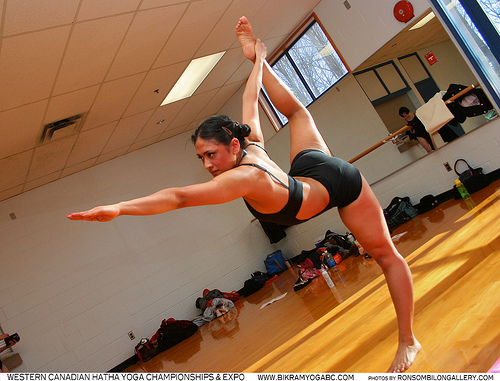
A cross-cultural look at posture in eHRAF
By Francine Barone A recent article from NPR, Lost Posture: Why Indigenous Cultures Don’t Have Back Pain, prompted us to see what we could uncover in eHRAF World Cultures that would shed more light on…
By Francine Barone A recent article from NPR, Lost Posture: Why Indigenous Cultures Don’t Have Back Pain, prompted us to see what we could uncover in eHRAF World Cultures that would shed more light on…
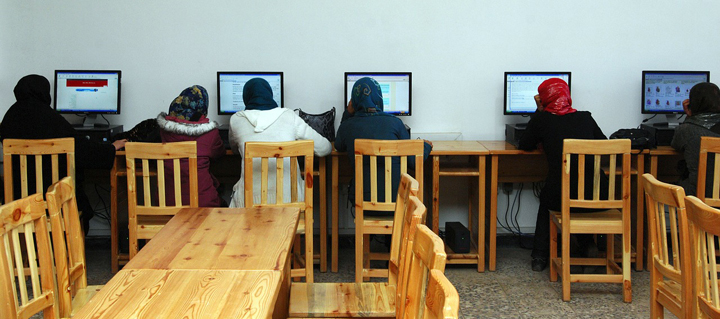
By Francine Barone Educators: Did you know that the HRAF website contains an open access collection of over 50 teaching exercises (sample syllabi) for classroom use that include questions and class assignments based on eHRAF…

HRAF is pleased to announce the release of our two latest resources for teaching and research. The first, Explaining Human Culture (just launched in a beta version at hraf.yale.edu/ehc), is a publicly accessible database containing information on…
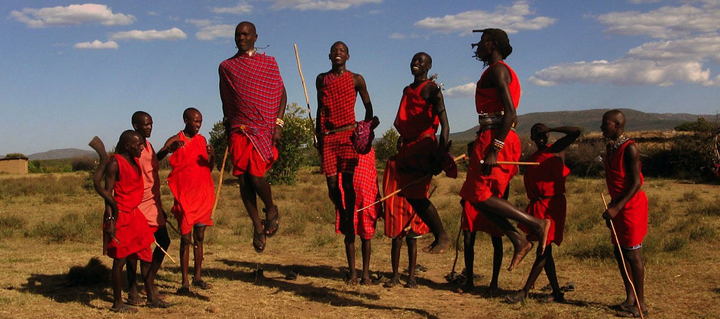
The Maasai (Masai), nomadic pastoralists who live in southern Kenya and northern Tanzania, are one of the 295 cultures covered in the eHRAF World Cultures ethnographic database. Twenty-one documents totaling 2,571 pages make up the…
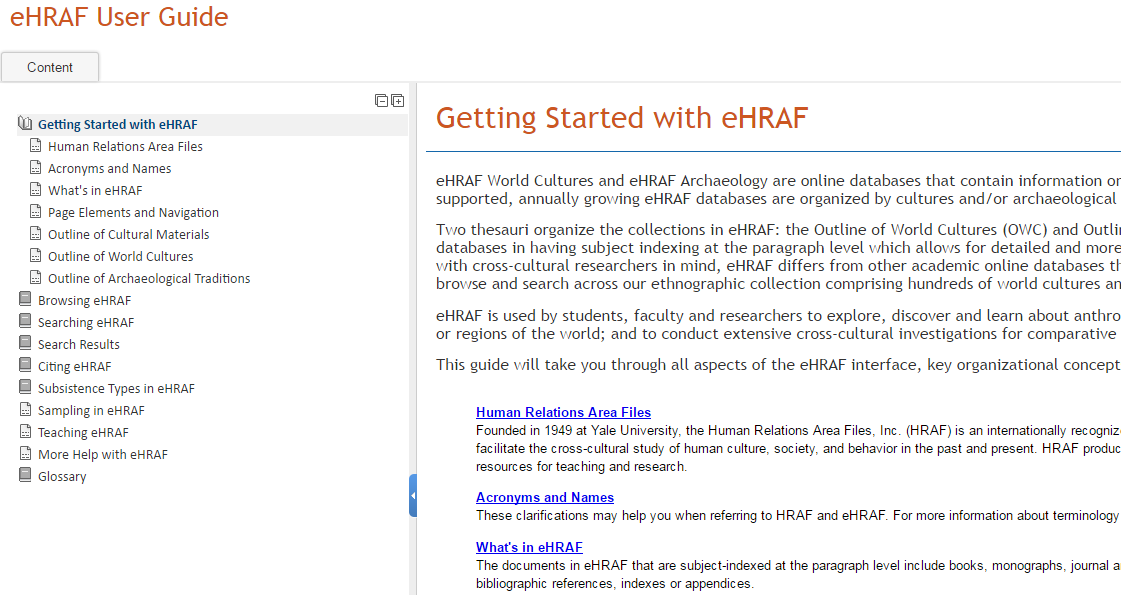
By Francine Barone We are excited to announce the launch of our newly redesigned, comprehensive user guide for the eHRAF Databases. Our updated guide covers everything inside eHRAF, including Browse, Basic Search, Advanced Search, and filtering and…
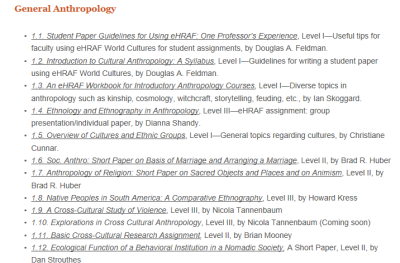
Teaching eHRAF is an innovative, interdisciplinary teaching resource for universities, colleges and high schools aimed at providing faculty with ideas on how to use the eHRAF World Cultures database in their curricula. Teaching eHRAF includes…

Educators: Did you know that the HRAF website contains an open access collection of nearly 40 teaching exercises (sample syllabi) for classroom use that include questions and class assignments based on eHRAF World Cultures or…